How to Identify Birds: A Complete Guide to Sight, Sound, and Field Techniques
Master the art of bird identification with this comprehensive guide. Learn to identify birds by sight and sound, distinguish between similar species, and use binoculars and field guides effectively.
 Public domain · Wikimedia Commons
TL;DR: Reliable bird identification follows a fixed order (size and shape first, then color pattern, then behavior and habitat) checked against sound whenever the bird is calling, and confirmed with binoculars and a field guide or app rather than a single glance.
Bird identification looks intuitive from the outside (you see a bird, you name it) but consistent accuracy comes from a repeatable process, not a good eye alone. This guide covers that process end to end: what to check first, how to use sound alongside sight, how to separate look-alike species, and how to get real value out of binoculars and field guides. If you just want an instant answer for the bird in front of you right now, what bird is this covers the app-first route.
The Identification Sequence: Size, Shape, Color, Behavior
Start every identification with silhouette, not color. Is the bird sparrow-sized, robin-sized, or crow-sized? Is the body compact and round, or slender and elongated? This step alone eliminates most of the wrong-family guesses that come from jumping straight to "it's red, so it's a cardinal": plenty of unrelated species share the same colors.
Bill shape is often the fastest confirmation within a size class: a short conical bill signals a seed-eater, a thin pointed bill signals an insect-eater, a hooked bill signals a predator. Our complete guide to bird beak types covers all eight major shapes and what each tells you at a glance, and bird foot types does the same for habitat and lifestyle. Only after size, shape, and bill are checked does color pattern become useful: head markings, wing bars, and tail pattern narrow a shortlist down to one or two candidates. Behavior closes the gap: how the bird feeds, perches, and moves is frequently more diagnostic than plumage alone.
Using Sound as a Second Identification Channel
Many birds are heard well before (or instead of) being seen, which makes sound a genuinely separate identification tool, not a backup for when sight fails. A song (long, complex, mostly from males during breeding season) signals something different than a call (short, functional, produced year-round by both sexes): the distinction matters because field guides organize sound information around it.
Sound identification rewards the same structured approach as visual identification: pitch, rhythm, and tone, described in your own words before you try to match it. How to identify a bird by its sound walks through that method step by step, and what do bird calls mean explains the function behind each call type, which makes the sounds themselves easier to remember.
Telling Similar Species Apart
A handful of groups account for most identification confusion: sparrows, warblers, and gulls chief among them. The fix isn't memorizing every species at once: it's learning the one or two features that actually separate a specific confusing pair. Two Song Sparrows and Chipping Sparrows, for example, are told apart mainly by breast pattern (streaked with a central spot versus clean gray) and cap color (brown-streaked versus solid rusty), not by size or overall shape, which are nearly identical.
Building a personal list of "confusable pairs" (the species you specifically keep mixing up) and studying just the distinguishing feature for each pair is a far more efficient use of study time than reviewing an entire field guide start to finish.
No need to guess what you just saw or heard
Stuck between two similar species mid-identification? Check your guess against BirdTune and get a confirmed answer before the bird moves on.
Getting the Most From Binoculars
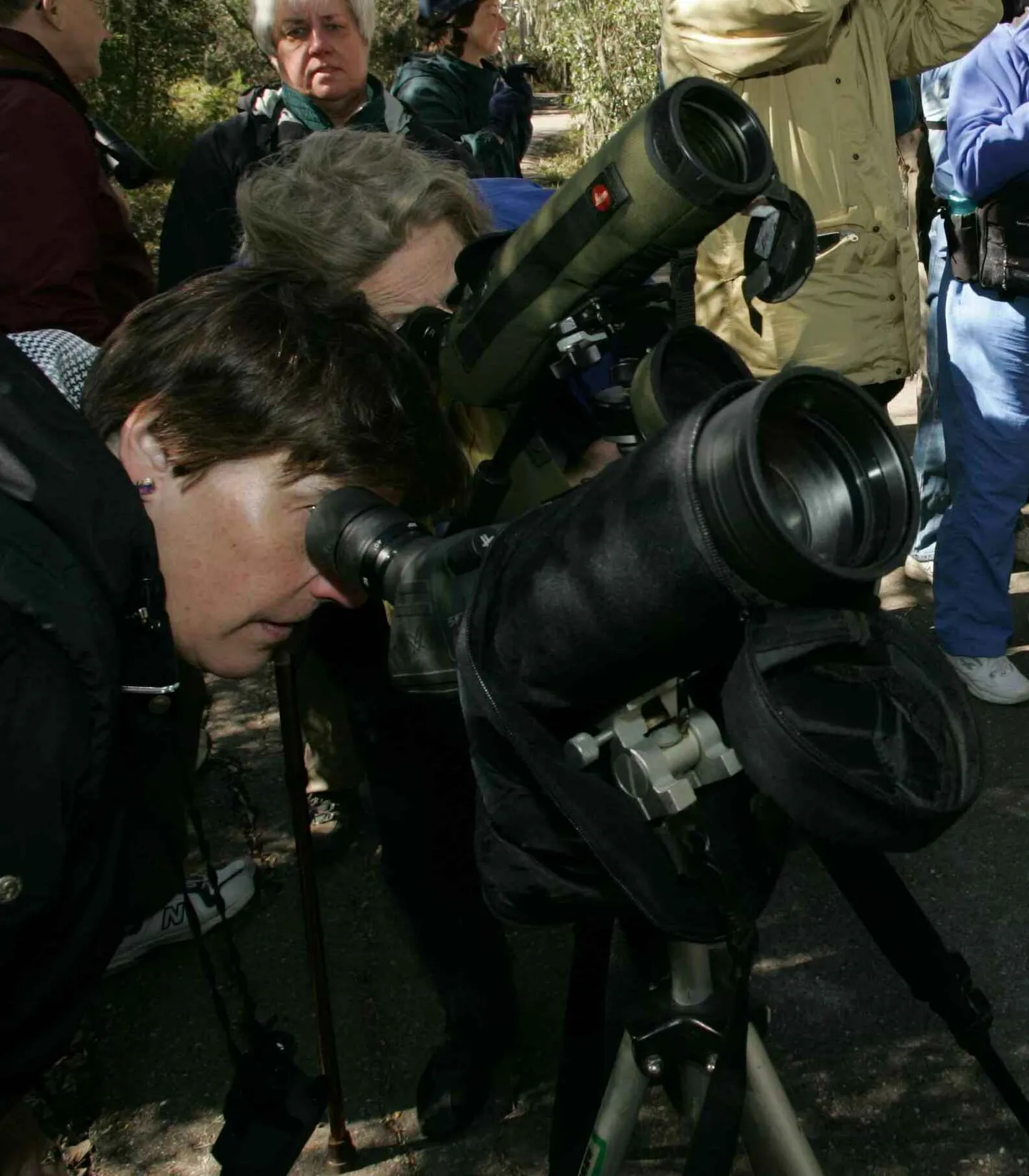
An 8x42 or 10x42 pair covers the vast majority of birding situations: the first number is magnification, the second is objective lens diameter, and 42mm balances brightness against weight well for handheld use. Technique matters as much as the equipment: keep both eyes open while raising the binoculars to your target rather than searching for the bird through the lenses, and rest your elbows against your body or a solid surface for a steadier view than free-handing it.
Getting the Most From Field Guides and Apps
A regional field guide, learned thoroughly, teaches pattern recognition that carries over to species you've never looked up before: that's the case for sticking with print or a dedicated guide app rather than only ever using an instant-ID tool. BirdTune fills a different, complementary role: point your camera or microphone at a bird and get an immediate species match with a full profile, which is most useful as a check on your own developing instinct rather than a replacement for building one. Guessing first, then confirming, teaches more per identification than looking the answer up cold every time.
Putting the Process Together in the Field
In practice, a confident field identification runs through this sequence in under a minute: note size and shape, check the bill, scan for color pattern, note behavior, listen if the bird is calling, then confirm with a reference if anything is still uncertain. Skipping steps (especially jumping straight to color) is the single most common source of misidentification, at any experience level.
Try it on the next bird you hear
The fastest way to confirm a field identification is a tool that reads both what you see and what you hear. BirdTune combines photo and sound identification into a single result, covering hundreds of species across 50+ countries, with 500+ identifications happening every day.
FAQ: How to Identify Birds
What's the single most useful skill for identifying an unfamiliar bird?
Learning to read silhouette and bill shape before anything else. These two features are visible even in poor light or at a distance, and they narrow an unknown bird to its family faster than any other single check.
Why do I keep misidentifying birds even after checking a field guide?
The most common cause is starting with color instead of size and shape. Color is the least reliable feature for eliminating wrong candidates, since it varies more within a species (age, sex, season) than shape and bill do.
Is it possible to identify birds accurately without binoculars?
Yes, for many species: shape, behavior, and especially sound don't require magnification. Binoculars mainly add confirmation of fine detail like eye rings and wing bars, which matters most for genuinely similar species pairs.
How do experienced birders identify a bird in under a second?
It's pattern recognition built from repetition, not a different process: the same size-shape-color-behavior sequence, run so many times it happens instantly rather than as deliberate steps. Beginners run the same sequence more slowly and consciously.