Ornithology: The Fascinating Science of Birds and Their Study
Discover the scientific study of birds, from anatomy and behavior to conservation and research methods. Learn how ornithology contributes to our understanding of nature.
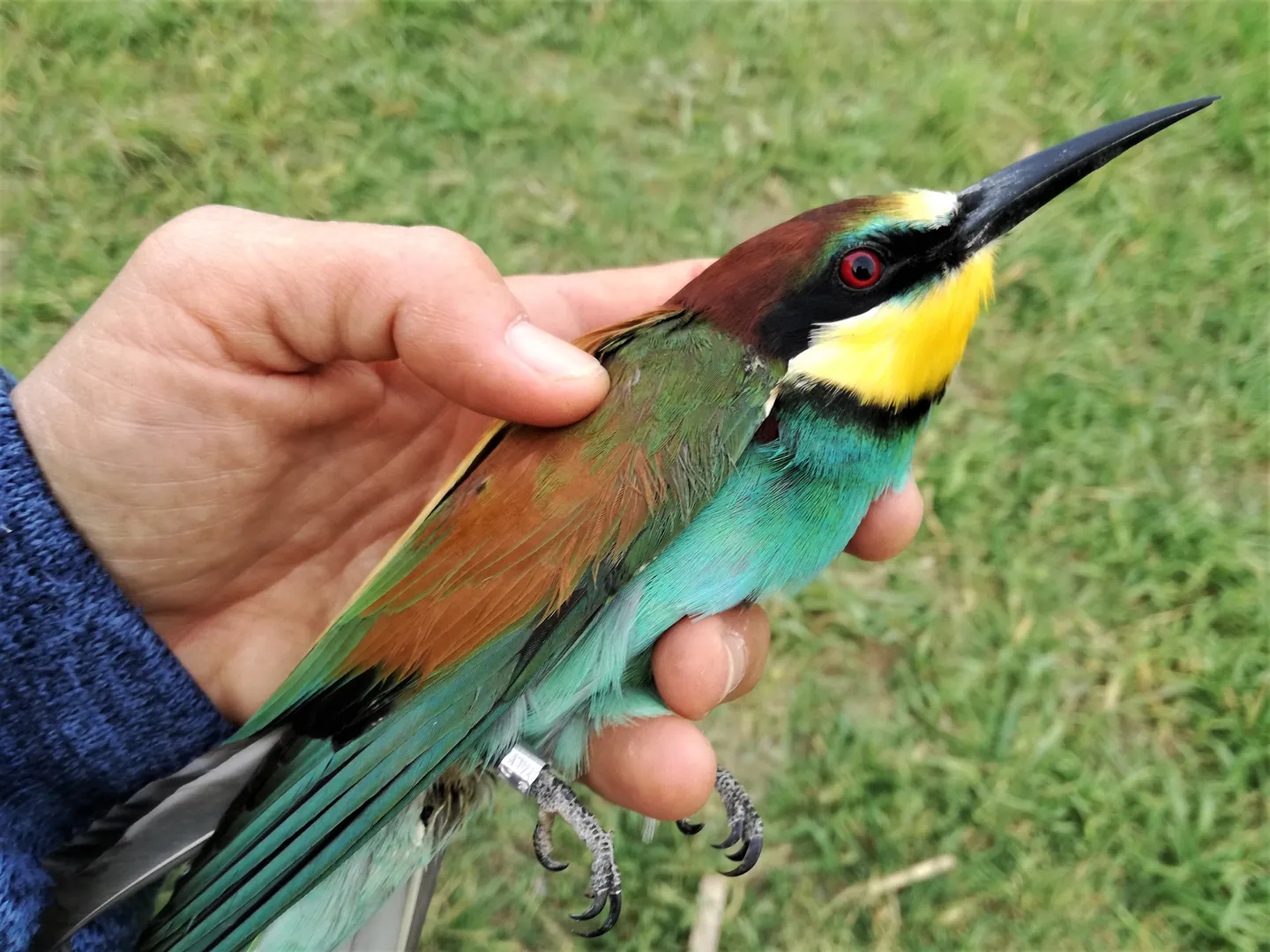 IslandVita · CC BY-SA 4.0 · Wikimedia Commons
No need to guess what you just saw or heard
Every bird you photograph or record carries the same clues ornithologists study in the field. BirdTune surfaces the anatomy, behavior, and conservation status behind what you just found.
TL;DR: Ornithology studies birds through anatomy built specifically for flight, behavior shaped by breeding and migration pressure, and research methods ranging from banding a bird by hand to tracking it by satellite, and understanding any of these three areas changes what an ordinary bird sighting actually tells you.
Ornithology is the scientific study of birds (their anatomy, behavior, ecology, and evolution) and it's one of the rare sciences where amateur observation genuinely shapes the field. For a broader look at why the discipline matters right now and how everyday birders contribute to it, see our companion piece on the passion and science behind studying birds. This guide goes deeper into the mechanics: how a bird's body actually works, how researchers study it, and where the field is headed.
The Anatomy That Makes Flight Possible
A bird's skeleton is built around weight reduction without sacrificing strength. Bones are hollow, reinforced internally with thin structural struts, and connected to the same air sac system that supplies the lungs: a bird's skeleton is literally part of its respiratory system, not just a separate supporting structure. The sternum carries a large keel, a blade-like extension that anchors the flight muscles, which in strong fliers can account for a substantial share of total body mass.
The respiratory system itself is unusual among vertebrates: air flows through a bird's lungs in one direction, rather than in and out through the same passage the way it does in mammals, extracting oxygen on both inhale and exhale. That efficiency is a large part of why birds can sustain the metabolic demands of flight, including migratory flights that last for days without rest.
How Behavior Reveals Evolutionary Pressure
Most bird behavior traces back to two pressures: securing enough food and successfully reproducing. Courtship displays (a bowerbird's constructed display, a crane's dance, a hummingbird's dive) exist because they signal genuine fitness to a potential mate in ways that are difficult to fake convincingly. Nest construction varies from a simple scrape on open ground to elaborately woven hanging structures, and the specific method a species uses usually maps directly onto predation pressure and available material in its habitat.
Migration is the behavior that draws the most research attention, since it requires navigation across enormous distances without the landmarks or tools humans depend on. Current understanding points to birds combining several cues (the position of the sun and stars, the earth's magnetic field, and learned landmarks) rather than relying on any single navigation system, which explains why migration remains reliable even when one cue is obscured, such as during overcast conditions.
Research Methods: From Mist Nets to Satellites
Field ornithology still relies heavily on direct observation: point counts and transect surveys that produce the population data conservation decisions are built on. Capture-and-release methods, particularly mist netting, let researchers band individual birds with a small numbered ring, generating data on lifespan, site fidelity, and movement every time that bird is recaptured or reported elsewhere, sometimes years later and thousands of miles away.
Tracking technology has transformed migration research specifically. Lightweight GPS tags and geolocators, small enough now for even mid-sized songbirds to carry, have revealed migration routes and stopover sites that banding data alone could never have shown at the same resolution. Acoustic monitoring (recording stations that run continuously and use software to flag bird calls automatically) has similarly expanded how much data a small research team can collect, since a single unattended recorder can monitor a site around the clock for weeks.
Careers Built Around Bird Science
Ornithology supports a wider range of careers than the "professor" stereotype suggests. Wildlife biologists working for state and federal agencies manage bird populations directly, often on migratory game species or those with conservation status concerns. Museum and university researchers maintain specimen collections that remain scientifically valuable for centuries, since they let today's researchers ask genetic and morphological questions that couldn't have been anticipated when a specimen was first collected. Conservation organizations employ ornithologists specifically to translate population research into land management and policy recommendations, which is where much of the field's real-world impact happens.
Outside formal research, science communicators, nature educators, and technology developers building identification and tracking tools all draw directly on ornithological training, extending the field's reach well past academic and government institutions.
Where the Field Is Headed
Automated identification (software that recognizes bird sounds and images the way BirdTune does for individual birders) is increasingly used at research scale too, letting a handful of scientists process audio data that would have taken years to review manually. Combined with the volume of observations submitted by citizen scientists through platforms like eBird, this is shifting ornithology toward genuinely global-scale datasets that no single research team could have assembled a generation ago.
Try it on the next bird you hear
Every identification opens a window into the science behind the species. BirdTune surfaces anatomy, behavior, and conservation status directly from what you just photographed or recorded: connecting everyday sightings to the same data used in field research across 50+ countries.
FAQ: The Science of Birds
What's the difference between ornithology and bird watching?
Ornithology is the formal scientific study of birds, typically involving structured research methods and often academic training. Bird watching is direct observation for its own sake: the two overlap heavily, since a huge share of ornithological data now comes from birders, but ornithology specifically refers to the science, not just the hobby.
Do you need a science degree to contribute to ornithological research?
No. Citizen science platforms let anyone contribute usable data through consistent, accurate sighting reports, and this data meaningfully shapes real research and conservation decisions. A degree matters for professional research and academic positions, not for making a genuine contribution.
How do researchers track where a specific bird has traveled?
Primarily through banding (a numbered leg ring, read or reported if the bird is recaptured or found again) and increasingly through GPS tags or geolocators that log location data directly, some small and light enough for songbirds to carry without affecting normal flight.
Why do birds' bones need to be hollow?
Hollow, air-filled bones reduce overall body weight without sacrificing structural strength, since they're reinforced internally, which is essential for sustained flight. The same air-sac network that fills these bones also supports the bird's unusually efficient one-directional respiratory system.