How to Record and Track Bird Sightings: A Complete Guide to Logging and Journaling
Master the art of recording bird sightings with this comprehensive guide. Learn how to log bird sightings effectively and keep a detailed birding journal to track your birding journey and contribute to conservation.
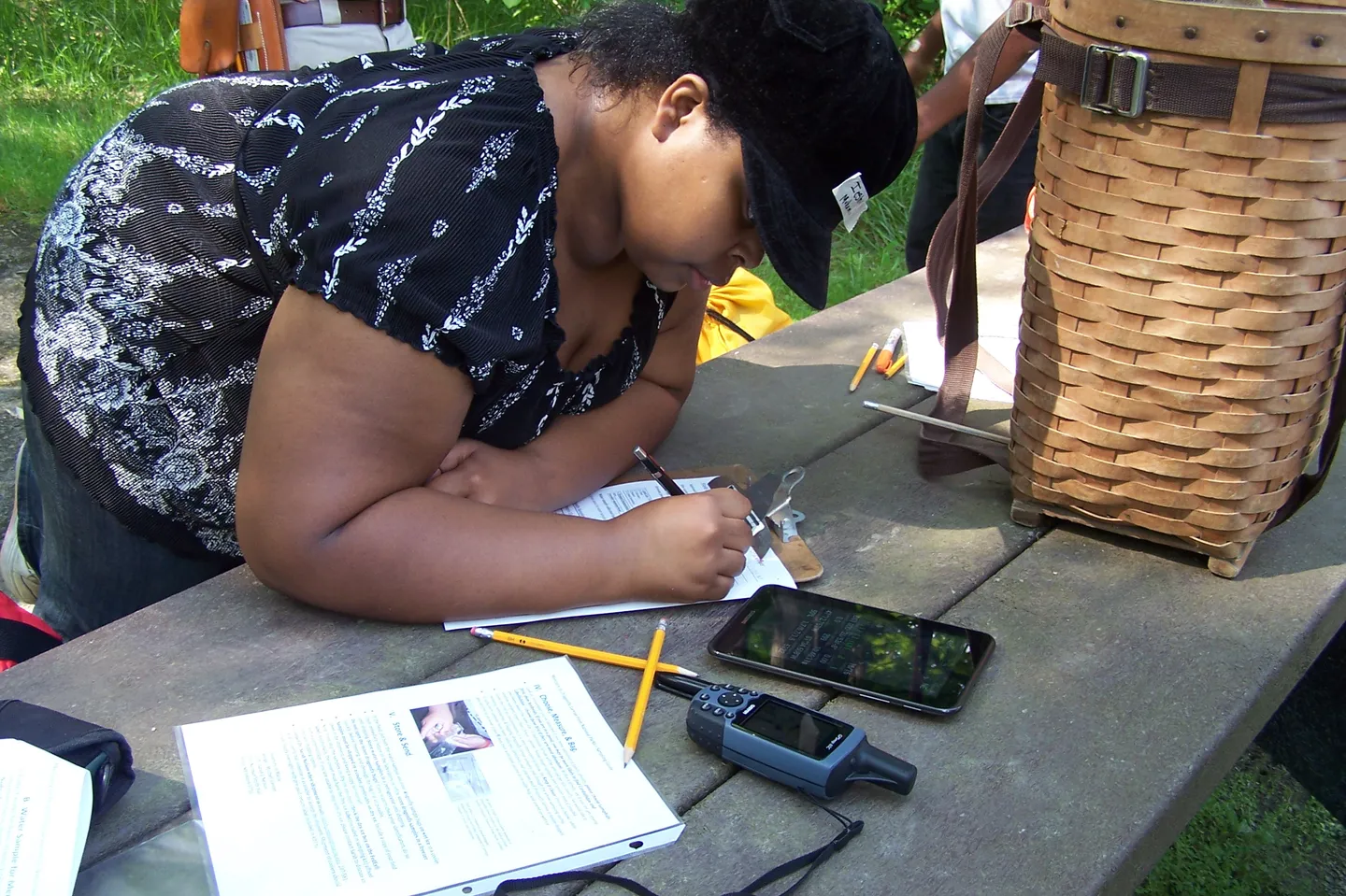 Public domain · Wikimedia Commons
No need to guess what you just saw or heard
A sighting you don't log is a sighting you'll forget by next week. BirdTune captures species, location, photo, and sound in one tap while the bird is still in front of you.
TL;DR: A useful sighting record needs just five things (species, date, location, count, and one behavior note) logged immediately rather than from memory later, whether you use an app like BirdTune, a spreadsheet, or a paper field notebook.
The difference between a birder who remembers a great season and one who can actually describe it in detail comes down to one habit: recording sightings as they happen instead of trusting memory to hold onto them. A logging system doesn't need to be elaborate to work: it needs to be consistent.
What Actually Belongs in a Sighting Record
Five fields cover the core of any useful record: species, date and time, location, count, and a single behavior or habitat note. Everything else (plumage detail, weather, companions present) adds value but isn't essential to a record being worth keeping. The mistake most new loggers make is either recording too little (just a species name, with no date or location, which becomes useless for spotting patterns later) or trying to record too much and abandoning the habit within a month because every entry takes ten minutes.
GPS coordinates, when your logging method captures them automatically, add real value over time: they let you revisit exactly where a species was seen, which matters more than it seems the first time you're trying to relocate a good spot from memory alone.
Logging in the Moment vs. Logging Later
Recording a sighting while the bird is still in view, or within minutes, produces meaningfully more accurate records than reconstructing a day's sightings from memory that evening. Details blur fast (the exact time, the precise count, which specific field mark confirmed the identification) and a same-day reconstruction, however well-intentioned, loses most of that precision.
BirdTune is built around this: identifying a bird and saving the sighting happen in the same flow, so the species, GPS location, and timestamp are captured automatically the moment you confirm an identification, with photos or audio attached directly. That removes the gap between seeing a bird and having a usable record of it. A sharp photo makes that record far more useful later, and our bird photography guide covers the settings and fieldcraft that get you one.
Digital Logging vs. a Paper Journal
Digital logging wins on searchability and automatic data capture: GPS coordinates, timestamps, and species databases populate themselves, and finding every sighting of a specific species across a year takes seconds rather than flipping through notebooks. A paper journal wins on something different: the act of writing by hand tends to produce more detailed behavioral observations, since there's no interface nudging you toward a quick tap-and-done entry.
Most serious loggers end up using both for different purposes: a digital app like BirdTune for the core record (species, location, time, media) and a paper journal or notes app for longer reflective entries on notable days. Neither replaces the other; they cover different needs.
Building a Sustainable Logging Habit
The habit that survives long-term is the one with the lowest friction, not the most complete one. Logging species, count, and one behavior note takes under thirty seconds with a tool like BirdTune, that speed is what makes it survive being done at the end of a long field session when a more elaborate process would get skipped. Save additional detail (weather, companions, extended behavior notes) for a weekly review rather than trying to capture everything in the field, where speed matters more than completeness.
A short weekly review (ten minutes scanning the week's entries for anything unusual or incomplete) catches gaps while they're still fresh enough to fill in accurately, and keeps the accumulated record actually useful rather than just accumulating.
What Your Records Are Good For
A consistent sighting log becomes a genuinely useful personal dataset over time: it reveals when a species first arrives each spring, which of your regular spots is actually most productive by season, and how your own identification accuracy has changed. Sightings logged through platforms with a citizen science component (eBird chief among them) also contribute to real population and range research, meaning the same thirty-second habit that builds your personal life list is simultaneously useful to ornithologists tracking bird populations at scale.
Try it on the next bird you hear
Logging a sighting should take seconds, not interrupt a moment in the field. BirdTune captures species, location, photo, and sound into a single sighting record the instant you identify a bird, with 500+ identifications saved daily by birders across 50+ countries.
FAQ: Recording and Tracking Bird Sightings
What's the minimum information worth logging for a sighting to be useful later?
Species, date, and location. Those three alone let you answer the most common later questions (when did I first see this species this year, where do I reliably find it) even without count or behavior notes.
Is it worth logging common backyard birds, or only unusual sightings?
Common species are worth logging too. Their consistent presence (or a gap in it) is itself useful data, and a record of only rare or exciting sightings misses the patterns (first arrival dates, seasonal presence) that regular species reveal over a full year.
How do I catch up if I've fallen behind on logging?
Log what you can reconstruct with reasonable confidence (species and rough date), and don't force precision you don't actually have: a slightly incomplete record beats no record. Going forward, logging in the moment rather than batching entries is what prevents the backlog from recurring.
Can my personal sightings actually contribute to real research?
Yes, when logged through a citizen science platform like eBird that aggregates and shares data with researchers. Large-scale studies of bird population trends and range shifts increasingly rely on exactly this kind of crowd-sourced observation data.